
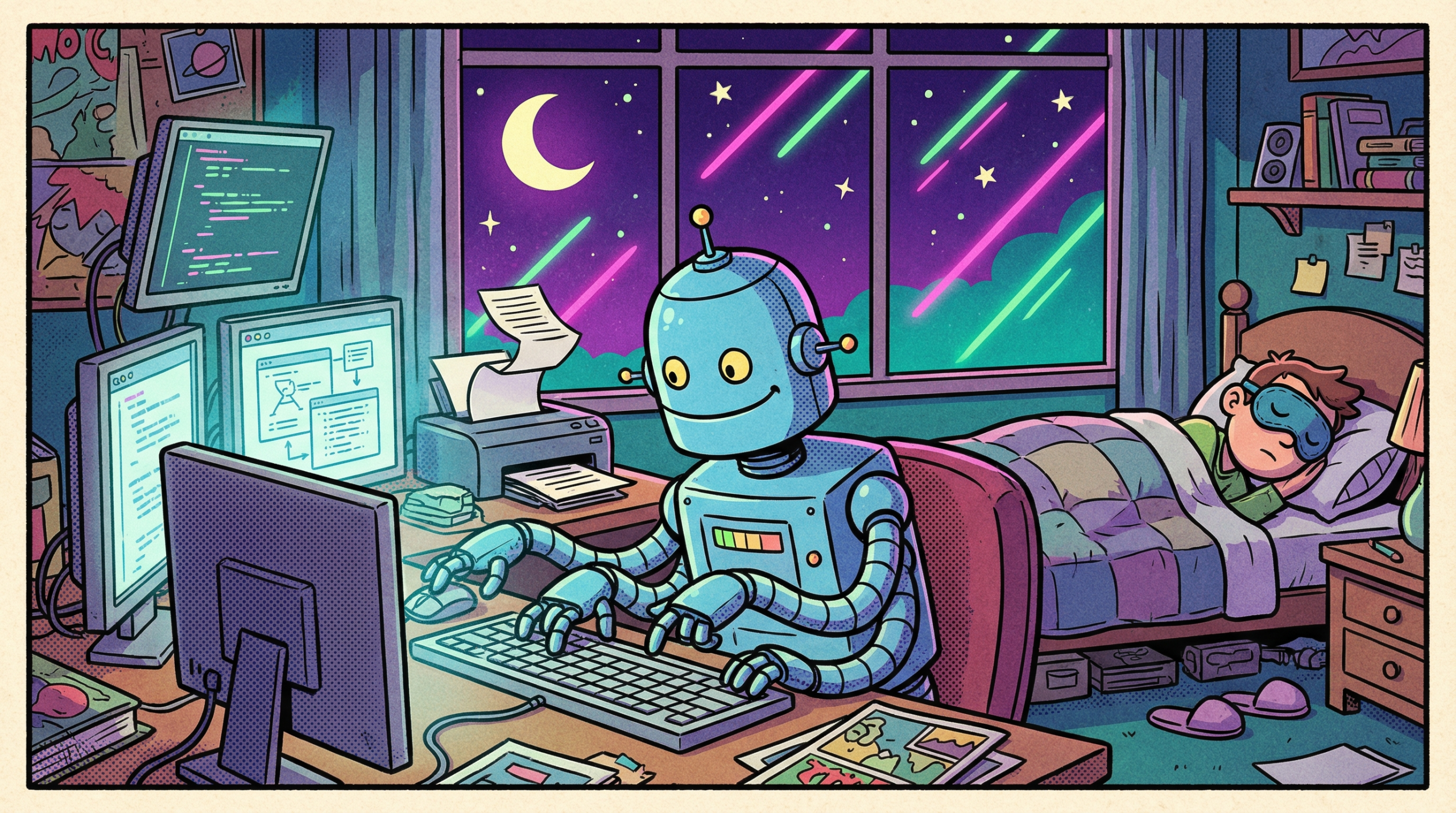
I need to tell you about the laziest productive thing I’ve ever done. And I mean that as the highest possible compliment.
Last Tuesday, I set up Claude Cowork before bed. Gave it a task list. Closed my laptop. Went to sleep like a normal human being. Woke up to a finished 12-page business report sitting in my outputs folder. Formatted. Sourced. Ready to send.
I didn’t edit a single word before forwarding it to my client.
(That’s either terrifying or incredible depending on how attached you are to doing everything yourself.)
The Setup Takes Five Minutes
Here’s what people get wrong about AI automation. They think it requires some elaborate pipeline. Custom APIs. Fourteen Zapier steps. A computer science degree and a prayer.
Claude Cowork is more like hiring a really fast intern who doesn’t sleep. You open it, describe what you need, point it at your files, and walk away.
For my overnight report, I gave it three things: a folder of raw data exports, a brief on what the client needed, and a note that said “make it look professional, use charts where it makes sense, export as a Word doc.”
That’s it. That was the whole prompt.
(I spent more time brushing my teeth than I did setting this up.)
What It Actually Produced
I woke up to a .docx file with an executive summary, three sections of analysis, two comparison charts, a recommendations page, and a formatted table of contents. The thing had page numbers. PAGE NUMBERS.
It pulled trends from the data I’d never have caught at 11pm on a Tuesday. It structured the narrative around the client’s actual goals. And it didn’t pad the report with filler paragraphs about “in today’s rapidly evolving business landscape.”
(God, I hate that phrase. Claude apparently does too.)
Why This Changes the Game
Look, the point isn’t that AI wrote a report. Plenty of tools can generate text. The point is that the entire workflow happened while I was unconscious.
Think about that for a second. Every night you sleep, you’re burning 7-8 hours of potential output. Not anymore.
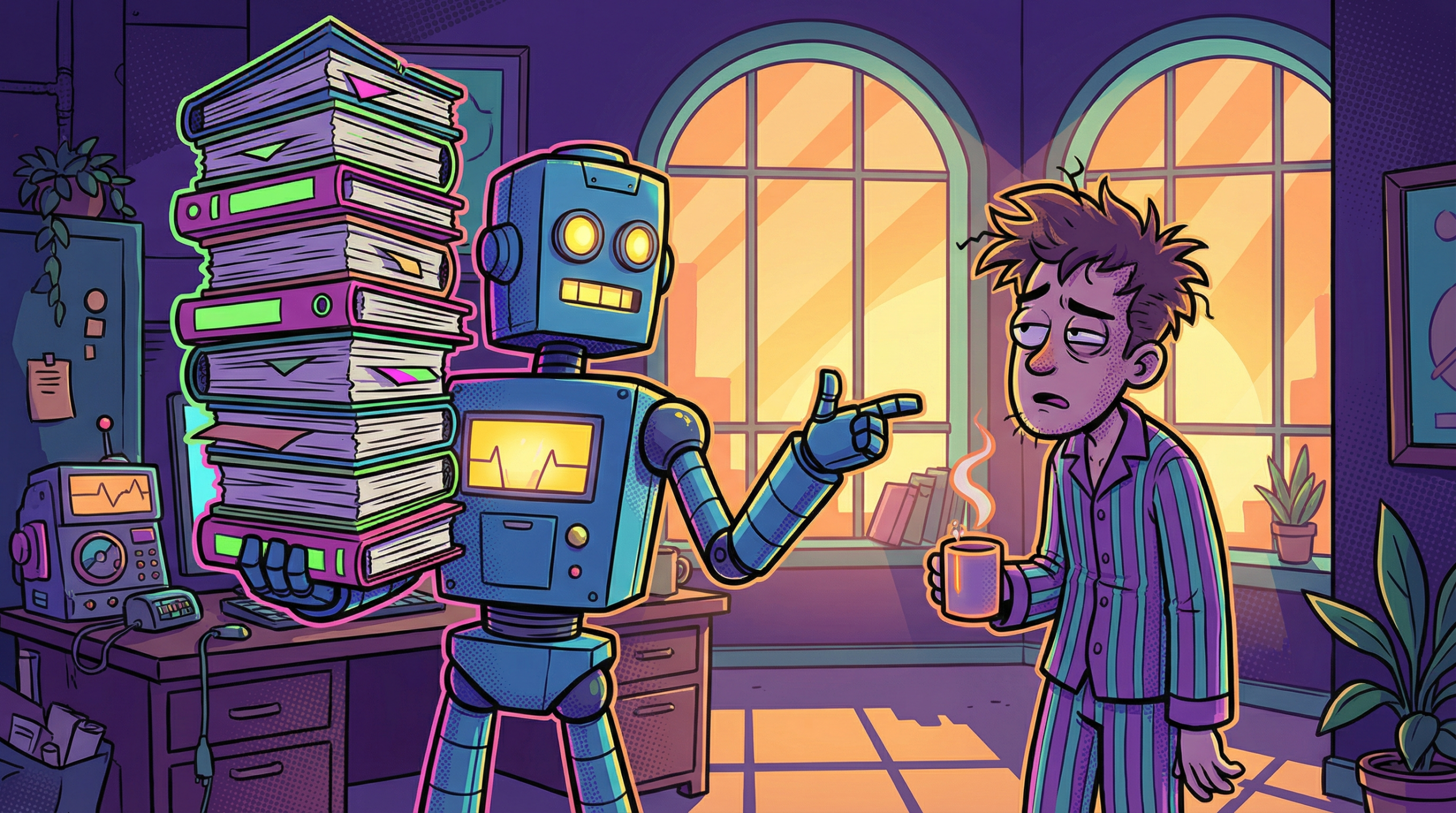
Claude Cowork runs tasks autonomously. It reads your files. It builds deliverables. It saves them where you can find them. It doesn’t Slack you at 2am asking clarifying questions. It makes reasonable assumptions and moves forward.
(Which, honestly, is more than I can say for most human contractors.)
This isn’t about replacing your brain. It’s about running your brain’s to-do list on a second shift. The night shift. While your actual brain is busy dreaming about whatever weird crap brains dream about.
The Overnight Automation Playbook
Here’s what works for overnight runs: reports and analysis from existing data, client deliverables with clear briefs, research summaries with specific questions, content drafts with detailed outlines, and data cleanup and formatting jobs.
Here’s what doesn’t: anything requiring your live input, decisions that need your judgment mid-process, or tasks where “I’ll know it when I see it” is your only spec.
(Give it clear instructions. Sleep well. Wake up to finished work. Repeat.)
Stop Doing Everything Yourself
You’re not getting bonus points for staying up until midnight formatting slides. Nobody is impressed that you did it “by hand.” The market rewards output, not effort.
Set up one overnight task tonight. Just one. See what’s waiting for you in the morning.
Then tell me you want to go back to doing it the old way.